
About
Carbon by Bold is written for teams that need software to keep working after the first release. The focus here is not novelty for its own sake, but the habits, boundaries, and tradeoffs that make systems easier to operate, debug, and evolve over time.
Explore ↗
What we care about
Reliable software is rarely the result of one grand decision. It comes from many small choices that reduce ambiguity: clear responsibilities, predictable behavior, and code that is easy to reason about under pressure.
This site treats maintainability as a day-to-day engineering concern, not a cleanup task reserved for later. If a system is hard to explain, hard to test, or hard to safely change, those are design signals worth addressing early.
- Prefer simple paths over clever shortcuts when both meet the need.
- Make failure modes visible instead of hiding them behind abstractions.
- Optimize for changes you expect to repeat, not one-time demos.
How we think about systems
A software system should behave like a well-structured conversation between parts: each component does a limited job, and the relationships between parts are explicit enough to inspect and adjust.
That means paying attention to coupling, data flow, and operational boundaries. Good architecture does not eliminate complexity; it contains it so that complexity stays legible to the people maintaining the service.
- Define boundaries by behavior and ownership, not just by code folders.
- Treat runtime behavior as part of the design, not an afterthought.
- Favor interfaces that make misuse obvious.
What maintainable work looks like
Maintainable systems are built with future edits in mind. That includes naming that communicates intent, tests that protect important behavior, and deployment paths that reduce the cost of learning from mistakes.
It also means resisting the urge to solve every problem with the same pattern. The right level of rigor depends on risk, team size, and how often a part of the system changes.
- Keep critical paths easy to inspect.
- Make the common case straightforward for the next person.
- Use guardrails where failure would be expensive.
How the writing is organized
The articles here aim to be practical, not abstract. Each page tries to answer a specific engineering question with enough context to be useful in real discussions, design reviews, or implementation work.
The point of view is opinionated where it helps, but not dogmatic. Different teams face different constraints, and the right answer often depends on what can be changed safely now.
- Expect tradeoff-driven guidance.
- Look for examples that connect architecture to day-to-day delivery.
- Use the ideas as prompts for better decisions, not fixed rules.
If you are looking for collaboration
Inquiries that fit this site’s scope include system design questions, maintainability reviews, software delivery concerns, and editorial ideas related to building dependable services.
If your topic is about another area, it may still be relevant, but this site stays focused on software architecture, operational clarity, and the practical side of keeping systems healthy over time.
- Software maintainability and service boundaries
- Observability, deployments, and operational risk
- Internal developer experience and tooling
- API evolution and change management
Discover
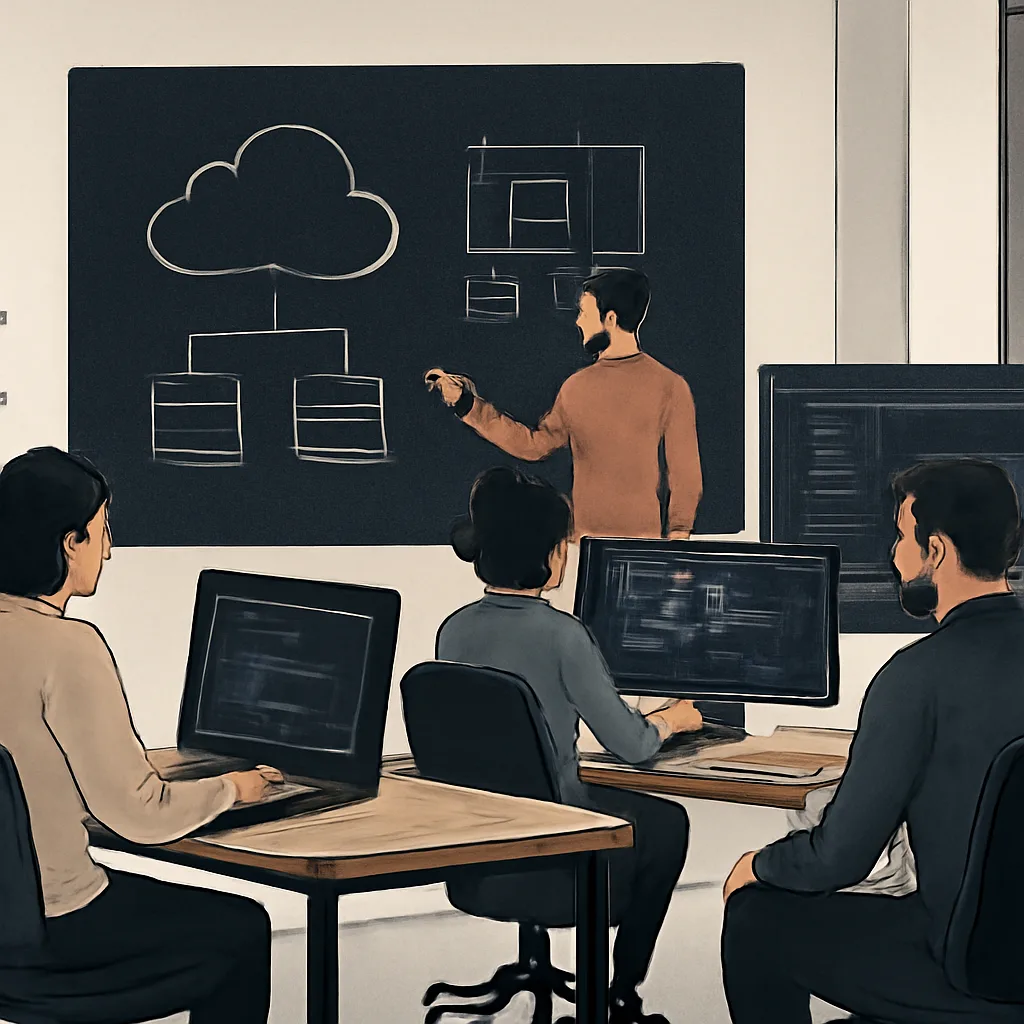
Designing a Maintainable Service Boundary
A practical guide to drawing service boundaries that reduce coupling, limit blast radius, and keep changes easier to reason about.
Choosing the Right Observability Signals
A practical guide to selecting logs, metrics, and traces that reveal what changed, what broke, and where to look first.
A Pragmatic Approach to API Versioning
Practical versioning strategies that preserve compatibility, support change, and keep APIs understandable for developers over time.
Reducing Deployment Risk in Small Steps
Practical release habits that lower deployment risk by shrinking change size, verifying early, and making rollback decisions simpler.
Building Internal Tools Developers Actually Use
Practical guidance for making internal software useful, durable, and easy for developers to keep using over time.